Brakes talk. A squeal in a Denver parking lot, a grind on the way down a hill, a pulse through the pedal on the highway exit: each sound is a report about a specific condition, and each carries a different urgency. Drivers tend to react in exactly the wrong order, ignoring the early, cheap warning for months and then panicking at a noise that turns out to be harmless surface rust. This how-to decodes the common sounds, shows what you can check yourself, and draws the line where brake work belongs to a professional with the car on a lift.
One rule covers everything below: brakes are a safety system with no partial credit. Any sound paired with a longer stopping distance, a pedal that sinks or feels spongy, or a pull to one side under braking stops being a sound question and becomes a do-not-drive question.
The sounds, in order of urgency
A light, high squeal when you first brake on a damp morning is often just moisture and surface rust on the rotors clearing off, and it fades within a few stops. A consistent squeal or chirp that appears at low speed and stops when you press harder is frequently the wear indicator, a small metal tab designed to touch the rotor and make noise when pads run thin. It is an intentional alarm, and it means pad replacement is due soon, not someday. A squeak that follows wheel speed and changes when you swerve slightly can also be a wear indicator flexing. Grinding is different in kind. A harsh grind usually means pad material is gone and metal is cutting the rotor. Every stop now damages the rotor further and stopping power drops. That is a drive-gently-straight-to-help sound, measured in miles, not weeks.
- Note when it happens. First stop of the day only, every low-speed stop, or only under hard braking. Timing is the best clue you can hand a technician.
- Note where it seems to come from. Front or rear, left or right if you can tell. Brakes wear at different rates by axle and corner.
- Feel the pedal at the same time. Pulsation with the sound suggests rotor variation. A steady pedal with noise points more toward pads and indicators.
- Look through the wheel if visible. On many wheels you can glimpse pad thickness. A pad worn to a sliver confirms the wear-indicator story.
- Check brake fluid level. A low reservoir can mean worn pads, because fluid fills the space pads leave, or a leak. Either finding deserves prompt professional eyes.
- Stop self-diagnosis at grinding or pedal change. Sound plus grinding, sinking pedal, warning light, or pull means the car goes to a shop, slowly and directly, or gets towed.

Pedal pulse and other non-sounds
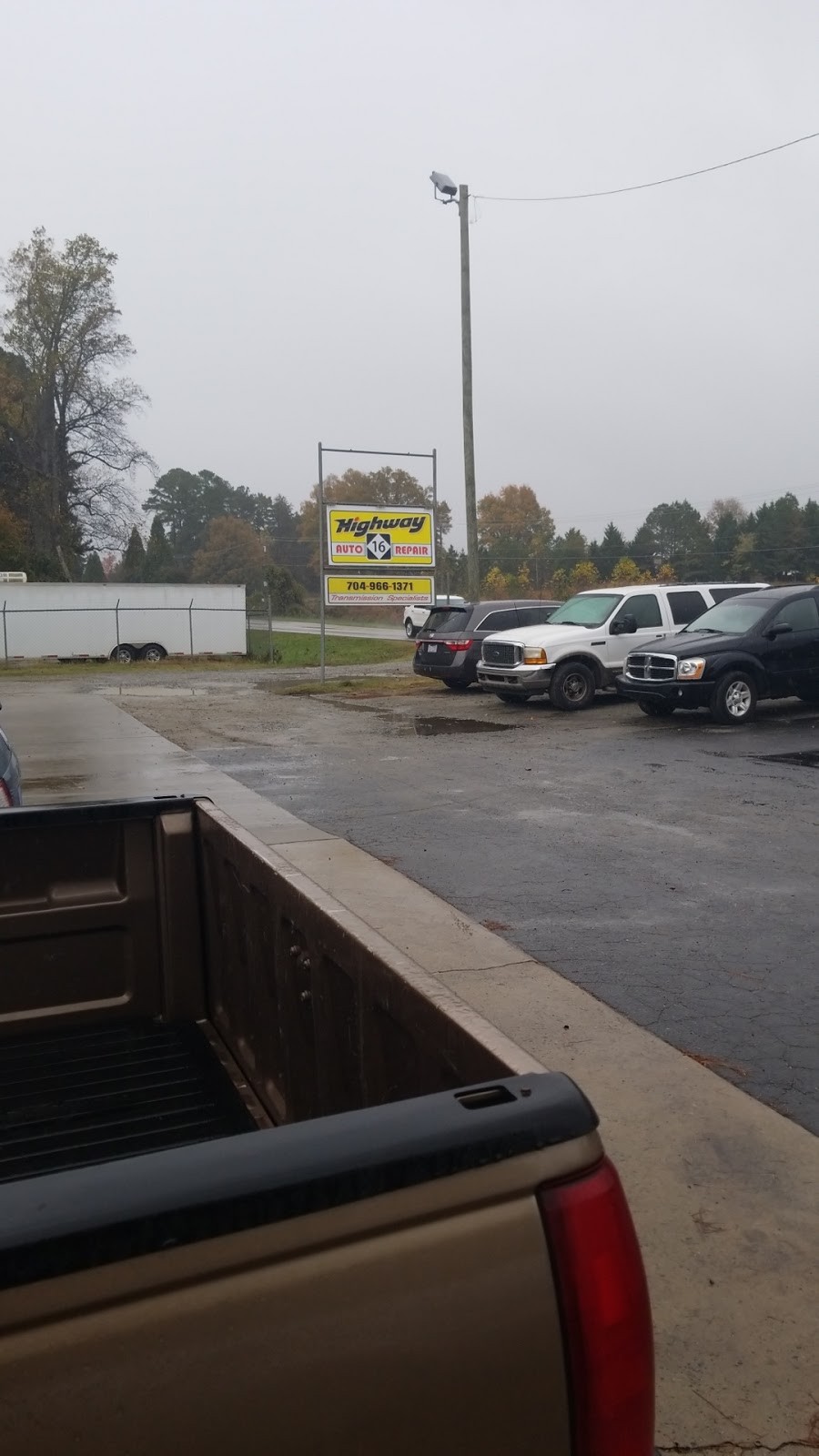
A pulsing pedal under moderate braking usually reports rotor thickness variation or deposits, felt most on long, gentle stops from speed. It is less urgent than grinding but it lengthens stopping and worsens if ignored. A clicking or clunk on the first brake application after reversing can be pads shifting in their brackets, often harmless, but a repeated loud clunk deserves inspection because hardware can be worn or missing. A hiss near the pedal points toward the brake booster. Any of these, described accurately with when and how they happen, helps a shop like Highway 16 Auto Repair, LLC reproduce the fault instead of road-testing blindly around Denver.
What not to do
Do not turn the radio up. Do not spray lubricant anywhere near brakes, ever. Do not assume new pads alone fix a grind; ground rotors usually need replacement too, which is why catching the squeal stage matters. And do not test questionable brakes with a hard stop on a busy road. The sounds are the test results. Read them, respect the grinding and pedal warnings immediately, book the squeal promptly, and let the harmless morning squeak prove itself by disappearing, as it should, within the first few stops of the day.
Common questions
Is some brake squeal normal?
A brief squeal on the first damp stops of the day can be normal surface moisture clearing. A persistent squeal at low speed is usually the wear indicator asking for new pads.
Can I drive on grinding brakes to the shop?
Only gently and directly, with extra following distance, if stopping still feels firm and straight. Grinding damages rotors with every stop, so distance should be minimal.
Why does my pedal pulse when I brake?
Pulsation usually means rotor thickness variation or uneven deposits. It should be inspected and measured, because it lengthens stopping and rarely improves on its own.
← All guides from Highway 16 Auto Repair, LLC← Back to Highway 16 Auto Repair, LLC