Your first oil change decision usually comes down to two numbers that disagree: the interval in the owner's manual and the date or mileage written on the windshield sticker from the last service. In Denver, drivers ask which one is lying. Usually neither is. They come from different eras and different incentives. The manual reflects your engine, your oil specification, and testing by the maker. The sticker often reflects a shorter, traditional interval that many shops still print. Understanding both turns a confusing choice into a calm one.
This first-timer walkthrough explains what actually happens during an oil change, why the old three-thousand-mile rule mostly died, and how to pick an interval you can defend for your car and your driving pattern.
Why the old rule faded
The three-thousand-mile rule belonged to older engines, looser tolerances, and conventional oils that degraded faster. Modern engines run cleaner, modern oils, especially synthetics meeting current specifications, resist heat and breakdown far longer, and many cars monitor oil life using time, temperature, and driving pattern rather than mileage alone. Manufacturer intervals for normal service commonly run much longer than the old rule. Severe service is the exception worth reading: frequent short trips, towing, dusty conditions, and extended idling shorten the sensible interval, and manuals say so in a separate schedule many owners never read.
- Find your manual interval. Look up oil change under scheduled maintenance for your exact engine, and note whether a normal and a severe schedule both exist.
- Classify your driving honestly. Mostly short trips where the engine never fully warms up count as severe in most manuals, even though the mileage stays low.
- Check the oil life monitor if fitted. Many cars estimate remaining oil life as a percentage. Treat it as guidance built from your actual use, and do not exceed the manual's time limit regardless.
- Use the specified oil. Viscosity and specification on the oil cap and in the manual matter more than brand. The wrong specification is worse than a slightly early change with the right oil.
- Watch the level between changes. Longer intervals mean checking the dipstick or electronic level monthly. Many engines use some oil normally, and running low harms more than old oil does.
- Keep the record. Date, mileage, oil used, and filter changed, in the car. That record settles every future interval argument and helps resale.

What happens during the service itself
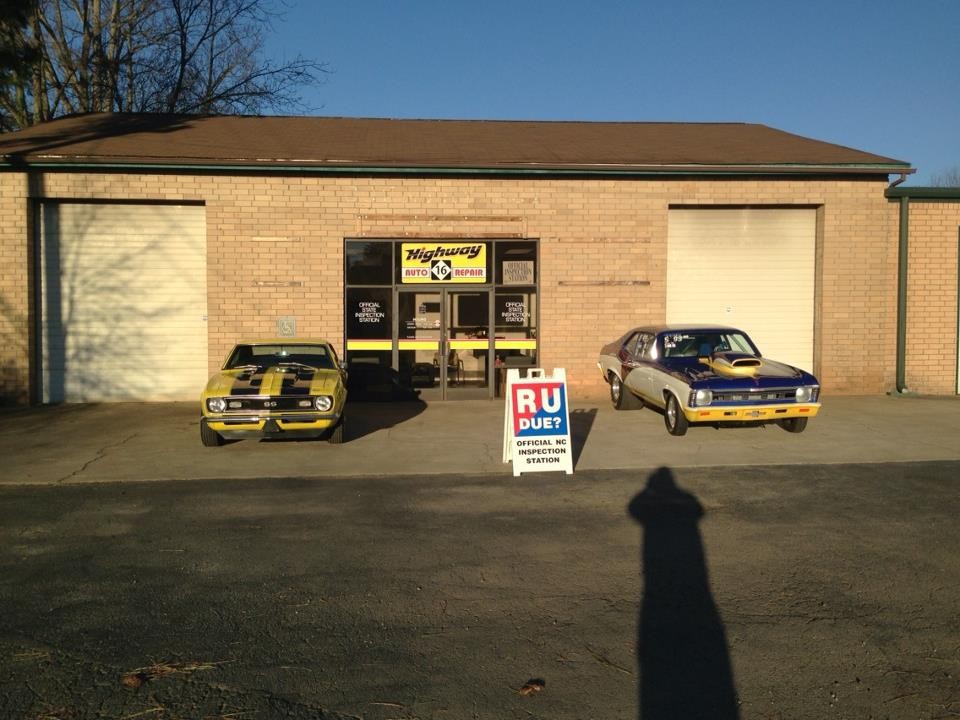
A proper oil change is more than draining and filling. The old oil is drained hot, the filter is replaced, the drain plug and its gasket are inspected, the correct oil is added to the specified level, and the car is run and checked for leaks. Good shops, including Highway 16 Auto Repair, LLC, also look around while the car is up: tire condition, obvious leaks, fluid levels, belts, and anything unsafe developing. That inspection is part of why a serviced car gets problems caught early. If you change oil at home, the same discipline applies, plus lawful disposal of old oil, which auto parts stores commonly accept for recycling.
Time matters as well as miles. Oil degrades with moisture and fuel contamination on a car driven rarely, which is why manuals pair mileage with a maximum time, often a year. A Denver car that only makes short Sunday trips can be due on time with very low mileage, and its oil life monitor, if fitted, accounts for exactly that pattern.
Choosing your number
Start with the manual for your engine, apply the severe schedule if your driving matches its description, respect the time cap, and keep an eye on level and oil life between services. Treat the windshield sticker as a reminder date, not a verdict; if it is far shorter than the manual, ask the shop why they recommend it for your car specifically. A good answer names your driving pattern or your engine's known needs. A vague answer is a habit, not a recommendation for your particular engine, and your manual outranks a habit every single time.
Common questions
Is the 3,000-mile rule ever right today?
Rarely for modern cars on modern oil. Some severe-use patterns and older engines justify shorter intervals, but the manual schedule for your engine is the starting point.
Can I follow the oil life percentage alone?
Mostly, paired with the manual's maximum time limit. The monitor estimates from real use, but it cannot see a low oil level, so check the level monthly.
Does synthetic oil let me double the interval?
No. Synthetic oil supports the longer intervals makers already specify for it. It does not license exceeding the manual for your engine.
← All guides from Highway 16 Auto Repair, LLC← Back to Highway 16 Auto Repair, LLC